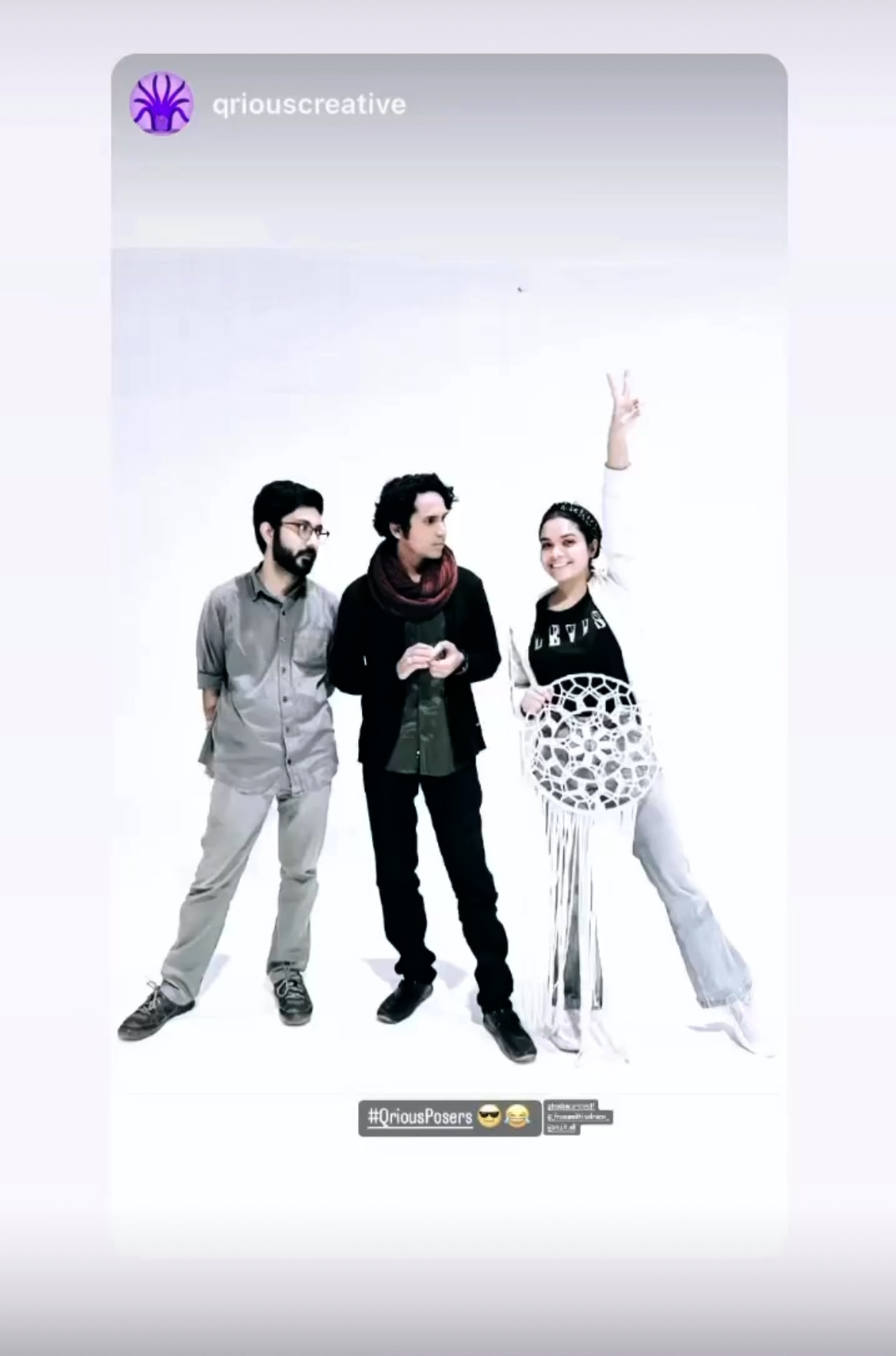
I'm Anu, a director and producer with over ten years of experience across commercials, documentaries and branded content in India and Southeast Asia. I've written, produced, shot, edited and directed, and that range shapes how I take a project from first idea to final frame.
My work sits between brand storytelling, creative direction and film, with an eye for the visual language a brand needs to reach its audience. I also direct generative work, bringing the same instinct for performance, composition and pacing I learned on set.
Available for commissions, creative direction and collaborations, remotely or on location.
An independent creative space
Serving photographers, filmmakers, wellness experiences, creative events and art workshops.
Visit StudioCreative Development
From the first idea to a fully formed visual direction.
Visual Development
Building the visual language and translating the idea into frames, sequences and worlds.
Direction & Production
Taking the creative from concept to final film through generative production.
Creative Supervision
Guiding generative work across teams, agencies and productions while keeping the creative vision consistent.
Foamulous
Foamulous started as a question: what would germs do if they were told to take a holiday? I treated the kitchen as a resort and the germs as holidaymakers, each with their own attitude, look and way of moving, so the world had a point of view before any footage existed. I wrote the lyrics and composed the jingle first, because the song sets the rhythm, and everything else, from the characters' performance to the cuts, was built to land on it. Sound design carries the joke as much as the visuals do. The sink's splashes, the taps and the foam are scored like a holiday resort, so the product's kill moment feels like the end of the holiday. From there I directed the characters, the set and the pacing around that beat, keeping the tone playful enough to be memorable but clear about what the product does. It began as an entry for a catchy-ad search, and I wanted it to work as a real campaign.


Quiet Theory
Quiet Theory is an entry for the OpenArt AI Ad Awards, built around a headphones brand and the line "Your sound is yours. Keep it that way." I directed it solo from script to final cut, starting with personas built from scratch, auditioning expressions, body languages and voices until they felt like people rather than generated faces, then writing dialogues and directing emotions around those voices. Moodboards and art direction set the visual world before a single frame was built, with geometry mapping locking the space so every camera move and cut would hold together once performance was added. Blocking, composition and lighting were directed shot by shot, since the brief needed privacy to read as a feeling rather than silence. Edited and graded to match the mood set at the start.
AI food showreel
A showreel built around the hardest parts of food to get right: the mock shoot stage, working out plating, pours and timing before anything is generated, then the generation itself, where texture betrays fakery before anything else does. A pour that moves at the wrong viscosity, steam that doesn't behave like heat, or a bite that doesn't deform naturally, and the shot reads as synthetic instantly. Each hero shot is composed and framed like real food photography, then lit and graded until the texture and warmth hold up the way they would on a real table.
Skits from an AI-generated world
A speculative world where AI-generated people coexist with real humans, played out as a series of small domestic skits rather than one declarative statement about the technology. Built from a character bible first, personas, backstory and relationships, so every skit came from someone rather than a prompt. Production design and world-building gave the domestic setting its own quiet logic, and each performance was auditioned for micro-expression, body language and pacing before a scene was blocked and framed, since those are the things that go wrong first when a performance is synthetic.
Lemur Cacao
A self-initiated film: a troupe of lemurs sing, dance, and hand-feed their manufactured cacao to a woman across Madagascar, with a mid-scene detour where she's slingshot clean out of her office building and flown across the sky. The troupe was designed and locked as characters first, consistent markings, proportions and expressions, before any choreography entered the frame. Madagascar and the office-building sequence were built as two distinct worlds that still had to feel like one film, and every beat of the dance was directed and timed rather than left to loop.
Crystalinsecta
A flycam follows beetles made of crystal as they move through forest and city, each one choosing a person to metamorphose for, into a piece of jewelry. The beetles were built out as full character sheets first, so their crystal material and proportions stayed consistent across every shot and angle, then graded scene to scene so the crystal read as the same material whether it was catching forest light or city light.
Boulevard
Jewellery is unforgiving in this medium. The eye already knows what real metal and stone look like, so every reflection and facet catch has to hold up in stillness, not just motion. I lock the product on its own reference plate before it ever enters a scene, then build the wardrobe around it, trying looks until the styling lets the piece lead rather than compete with it. Moodboards and composition were planned before a single shot was built, so the light hitting the face always matches the light the jewellery is meant to reflect.
A Beverage Film
Storyboarded first to find the moment where stillness breaks into motion, then built shot by shot: a static beach composition that holds for a beat before carrying her straight into full jetski movement without her likeness drifting. Moodboards set the beach's palette early, and the grade was pulled tighter through the sequence to keep the colour consistent from the first frame to the last.
Food Reel
Ongoing work for Small Batch, a gourmet food brand positioned on high-quality, artisanal, organic ingredients: product films, performance ads, food videos and recipes across campaigns and seasonal launches. Each shoot starts as a mock shoot, working out plating, pour angles and timing before a single frame is generated, the same way I'd block a real food stylist's table. Food is one of the hardest categories to render convincingly, because texture betrays fakery before anything else does, so pour physics, steam, and how a bite deforms are all directed explicitly rather than left to default. A recipe or seasonal brief gets scripted and storyboarded like a short film in its own right, then lit and graded to hold the brand's gourmet, artisanal warmth consistently across every launch.
Dance Films
Dance is where generative video is tested hardest on physics, not just image quality. Weight, balance, and momentum have to look earned, a spin that doesn't drift off-axis, a landing that actually absorbs impact, limbs that move with the right timing relative to music rather than floating through beats. I lock character identity and body proportions before choreography enters the frame, since even small drift in limb length or posture breaks the illusion the moment movement starts.
Early Explorations
The earliest tests, vertical films tracing the path from first prompt to the pipeline used across the work above.
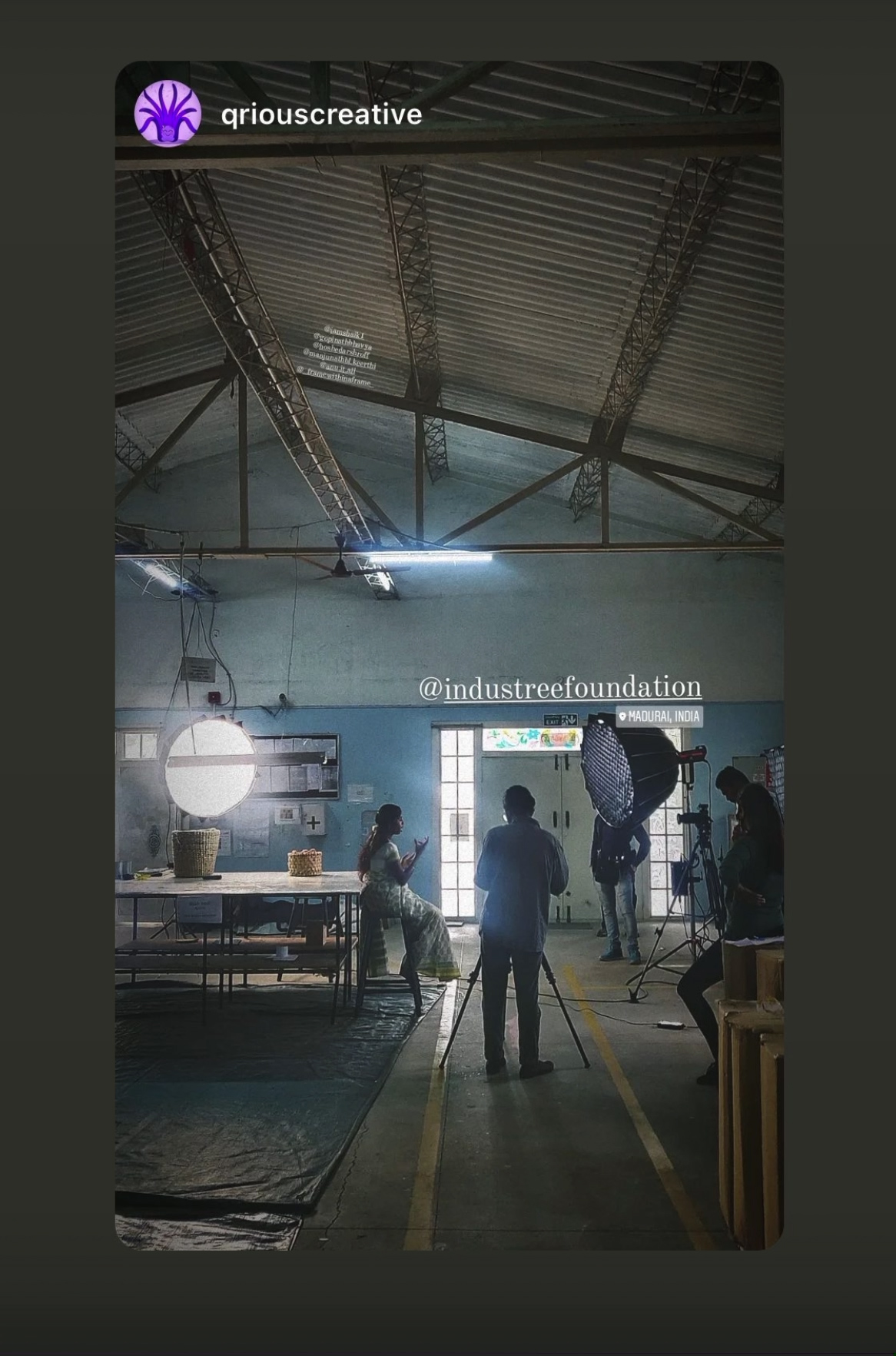
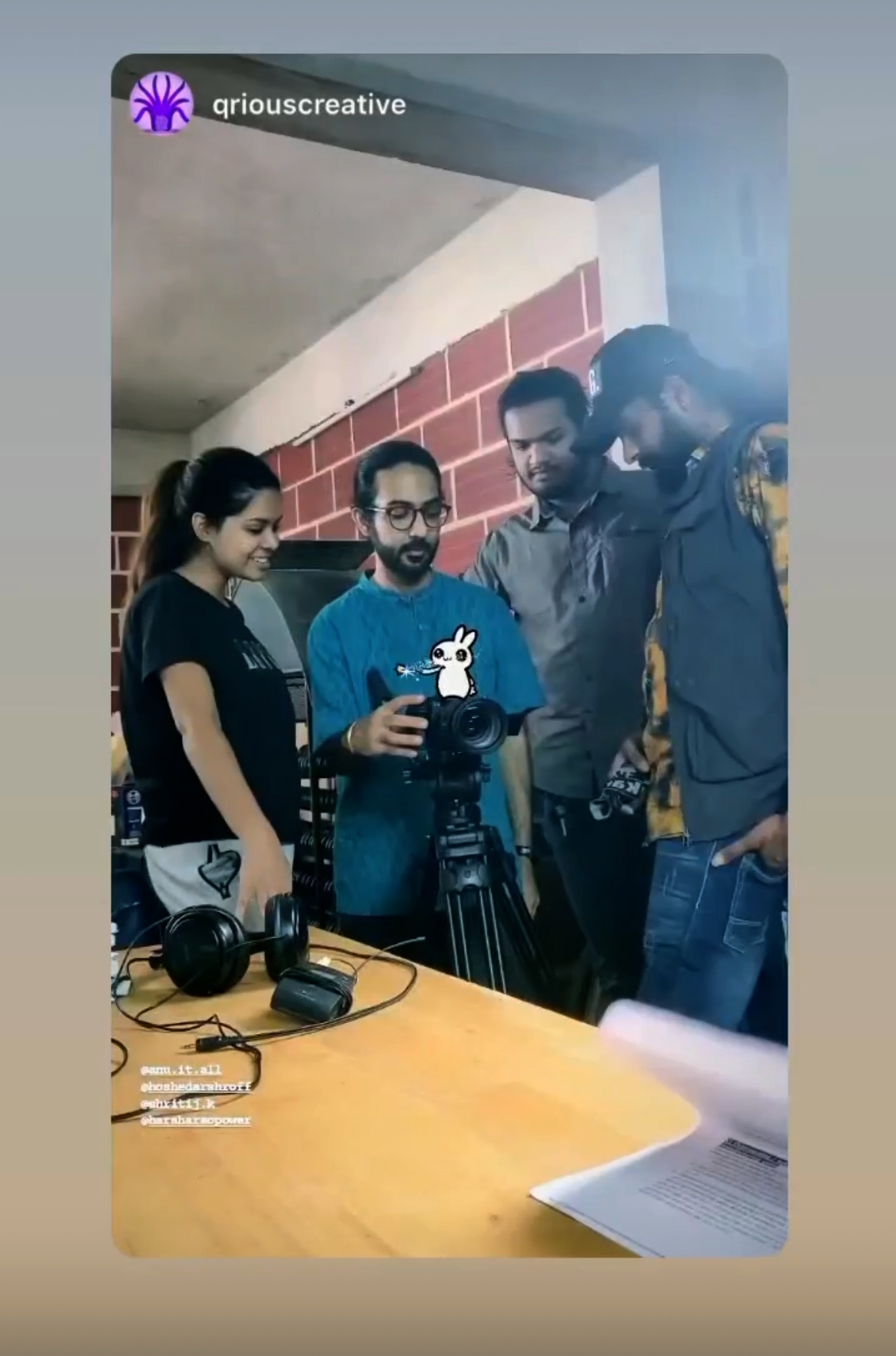
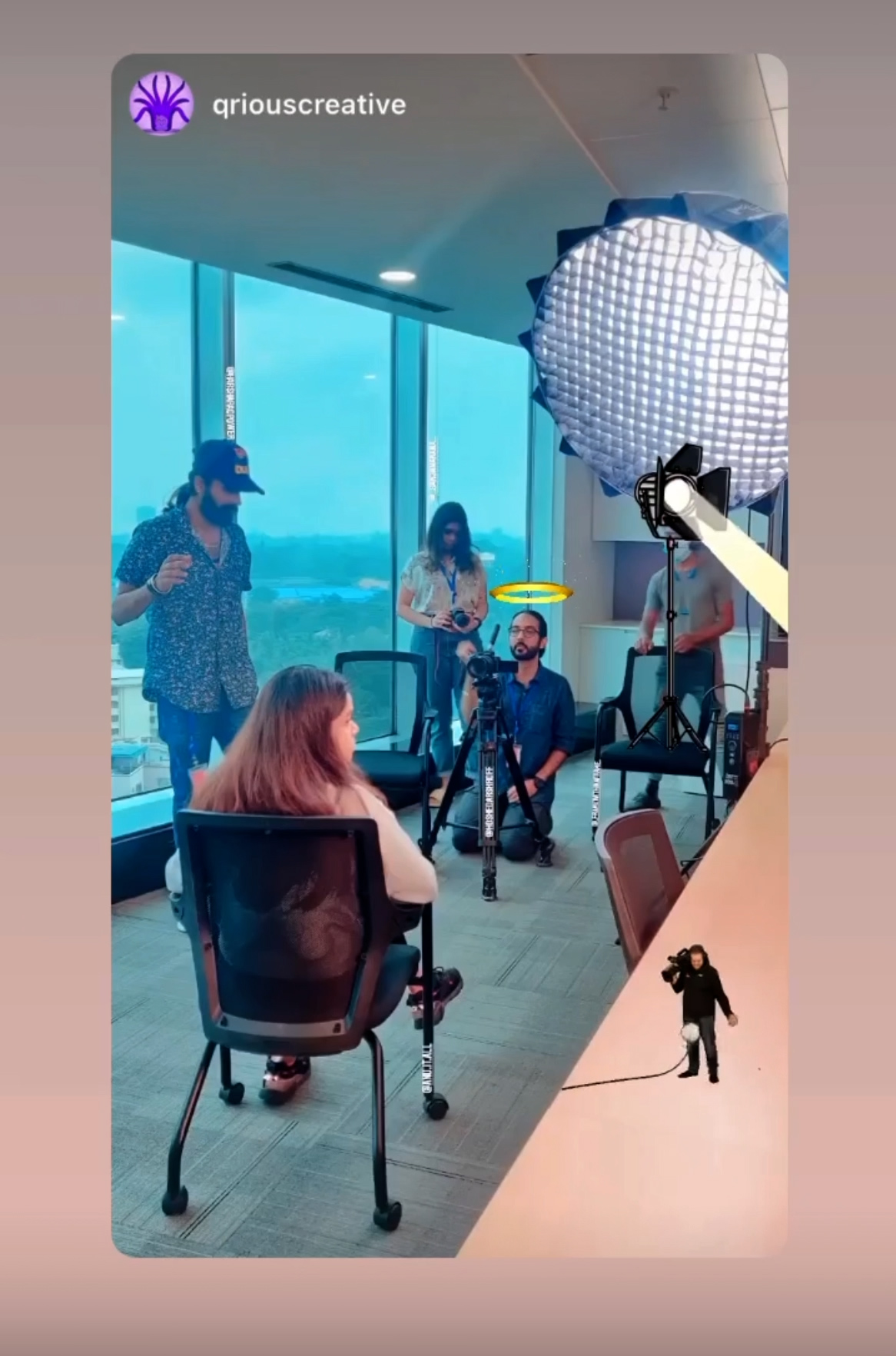
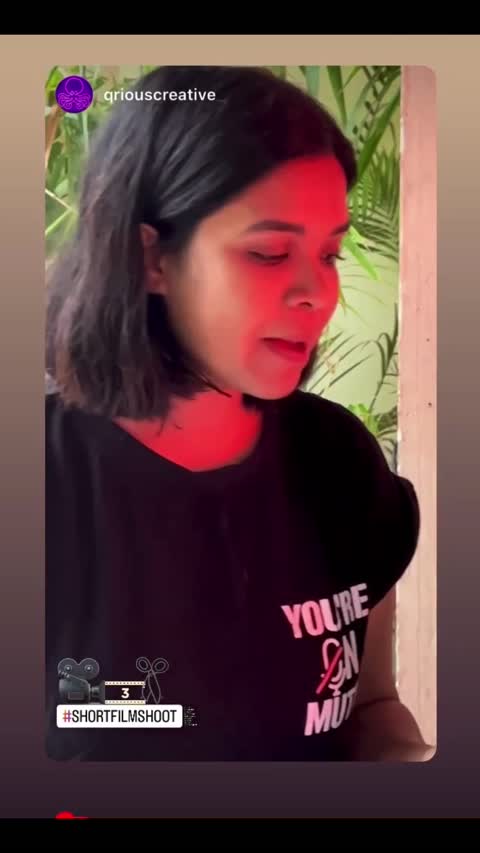
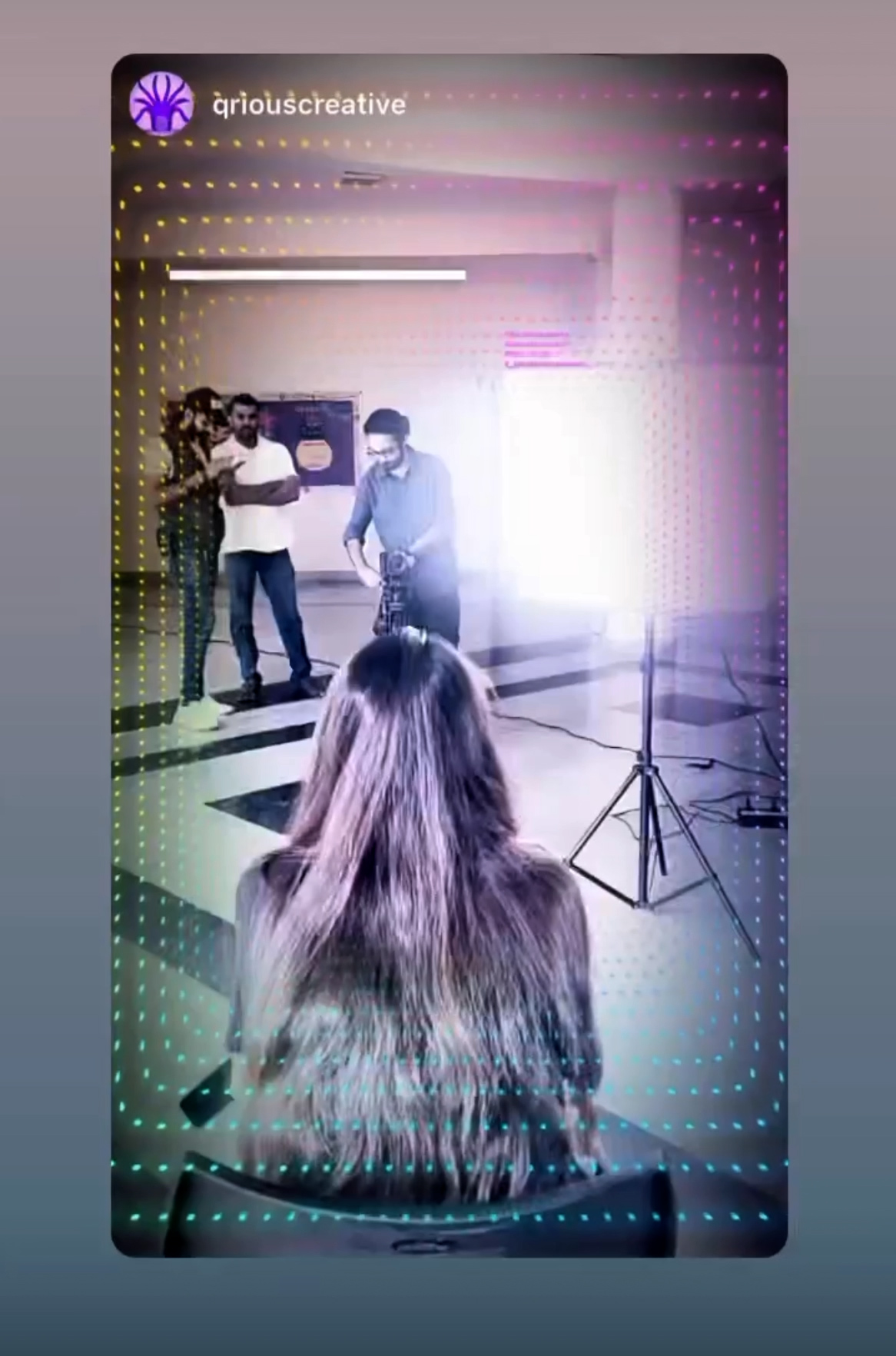
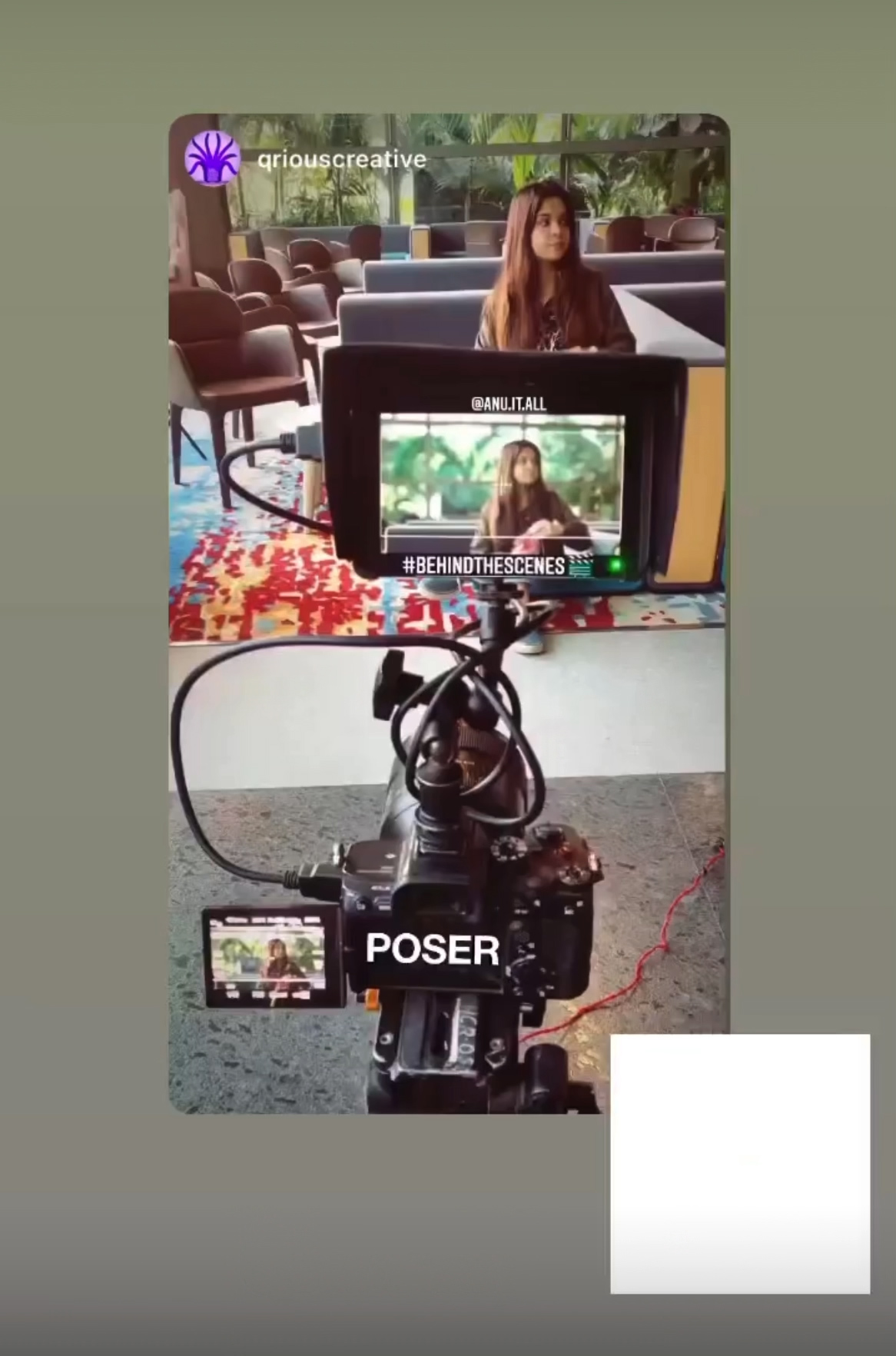
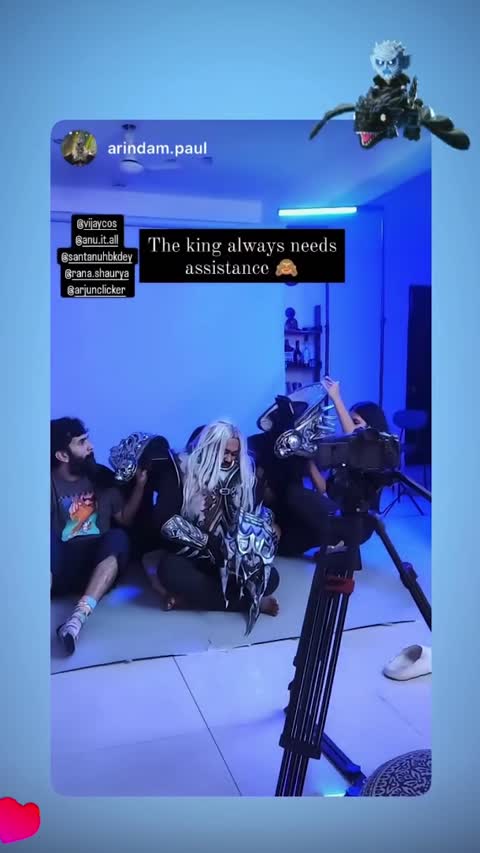
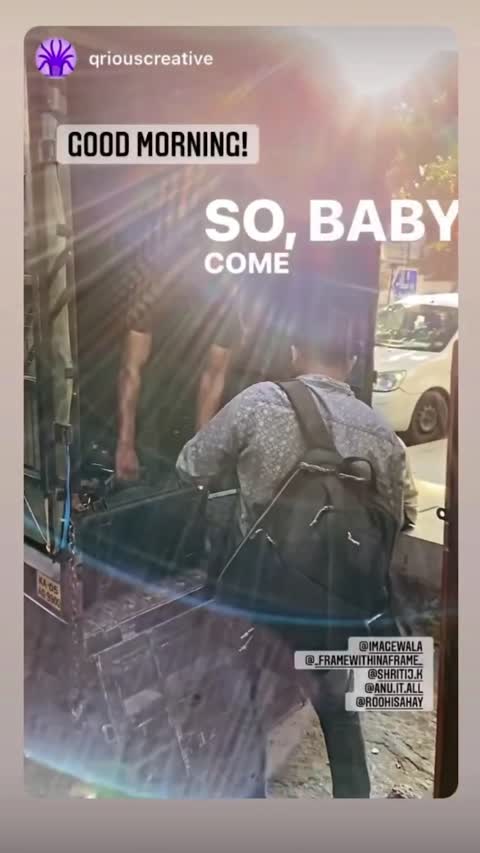
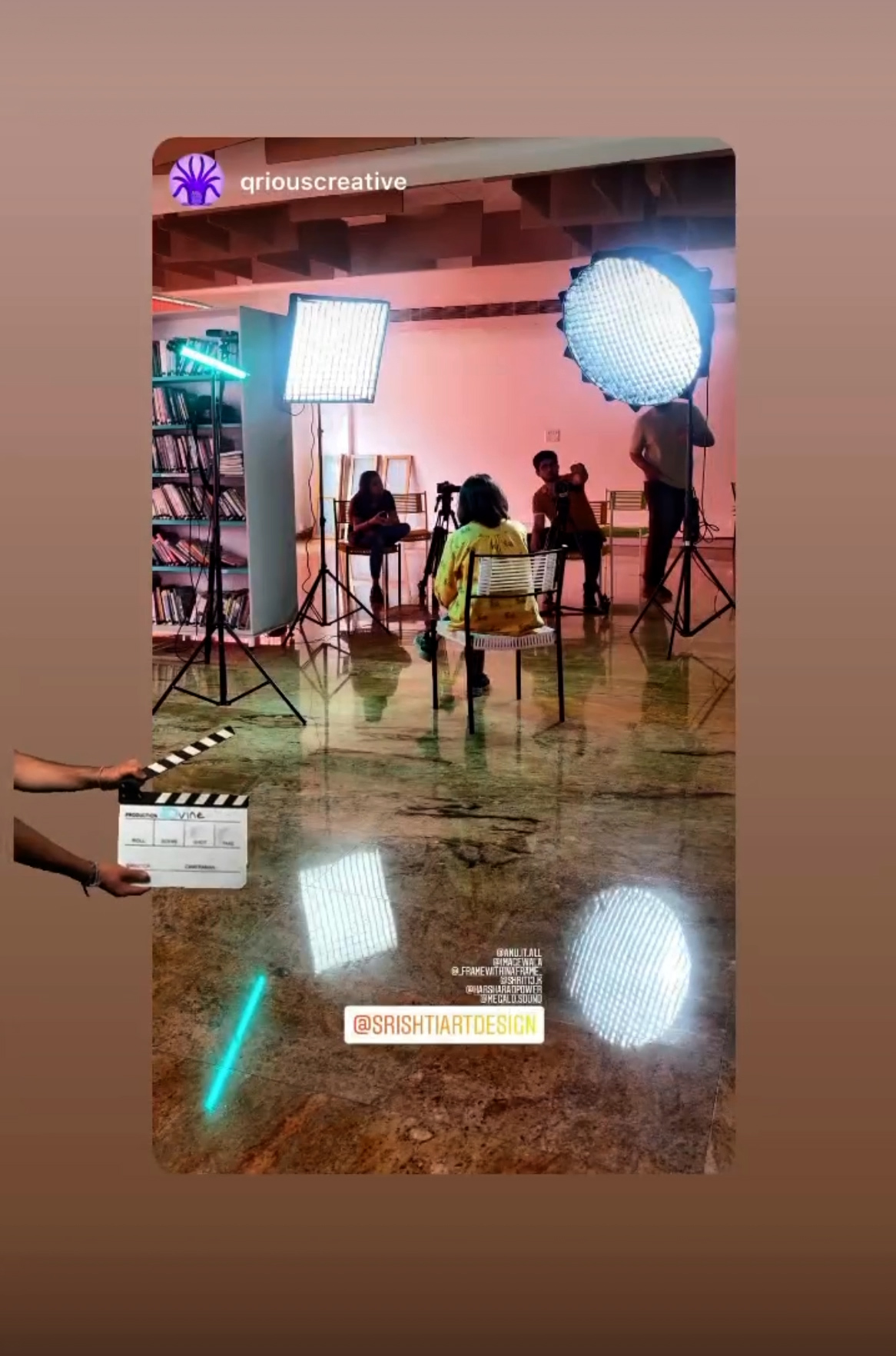
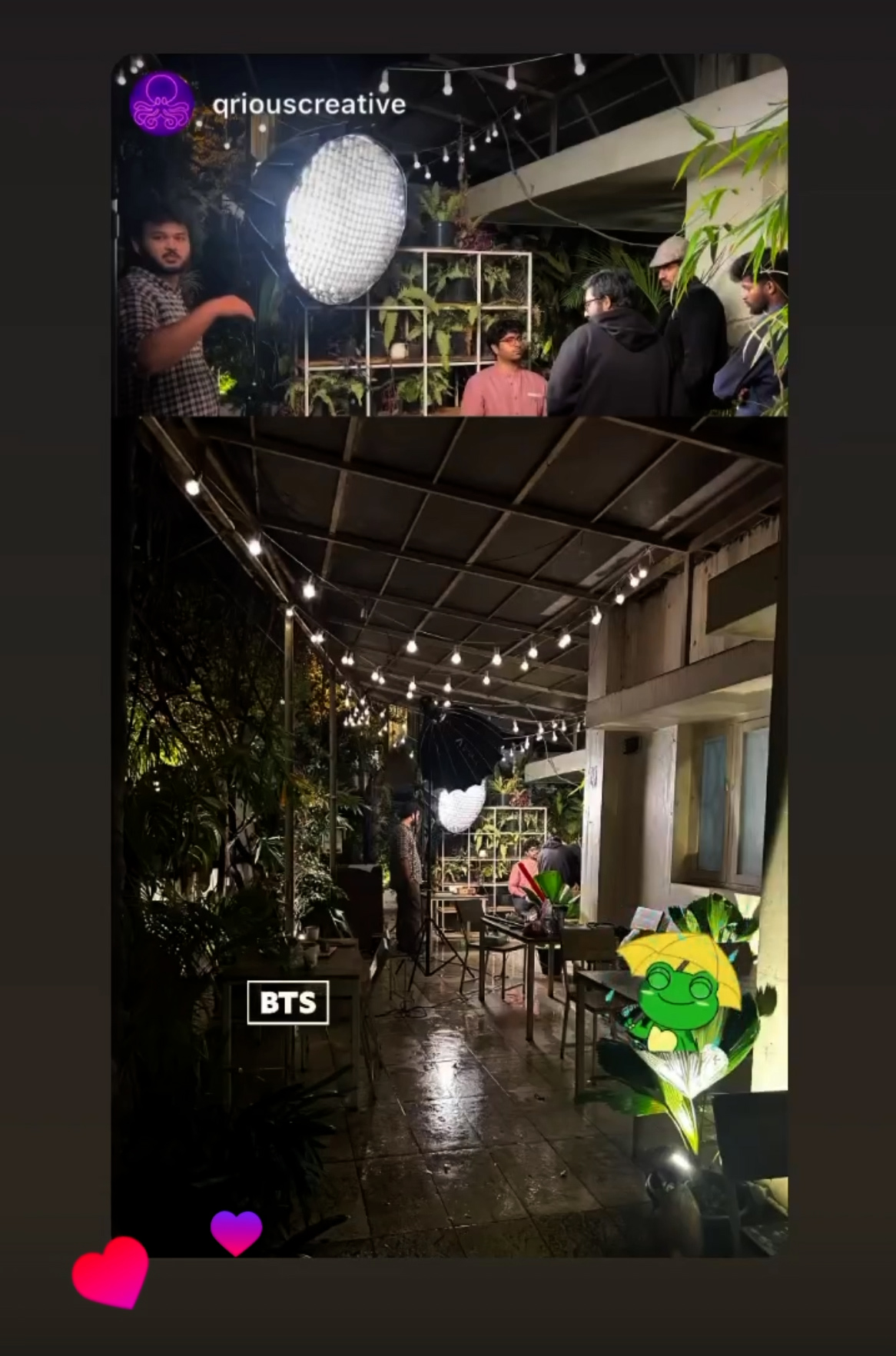
Shot on set
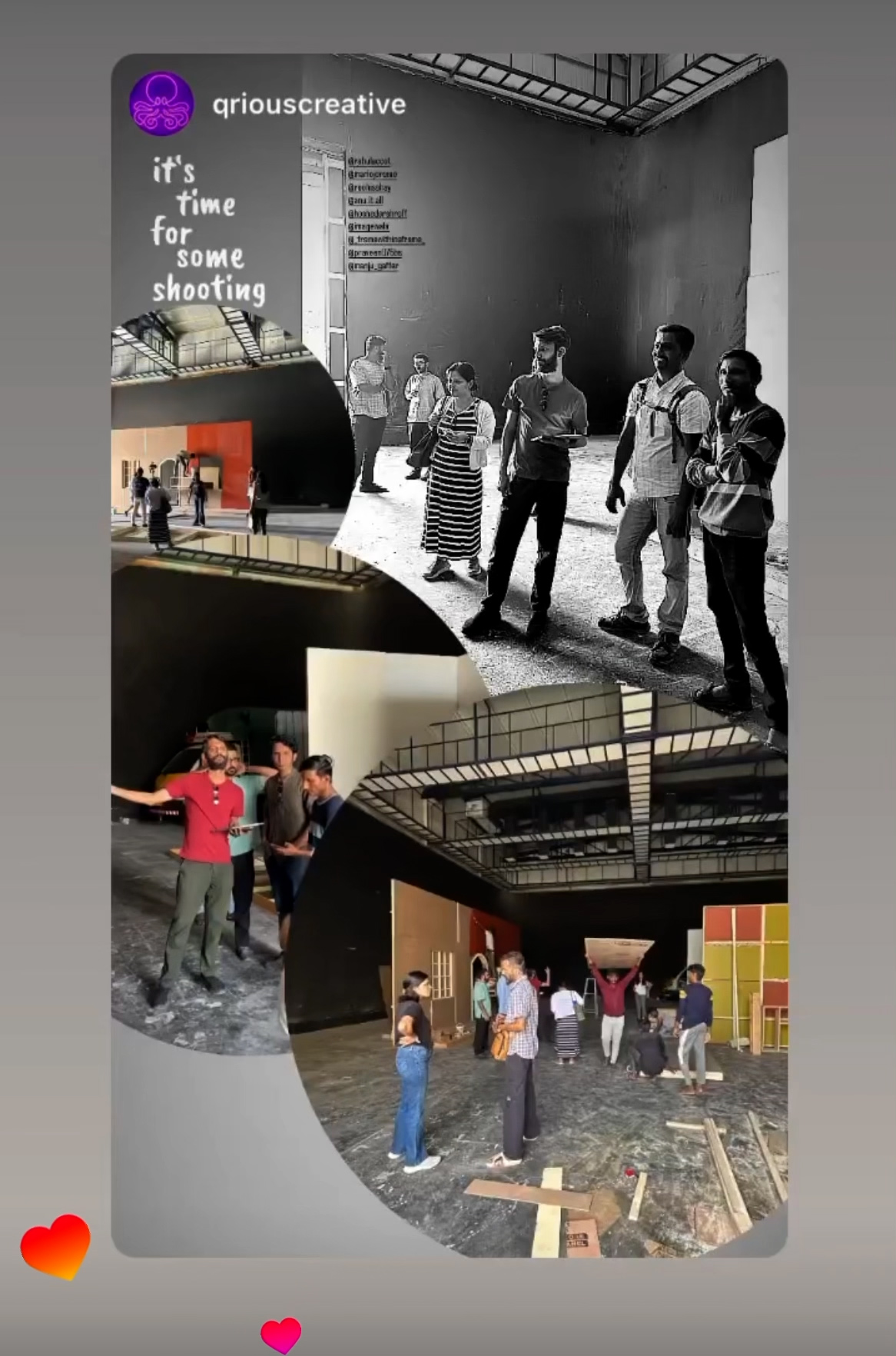
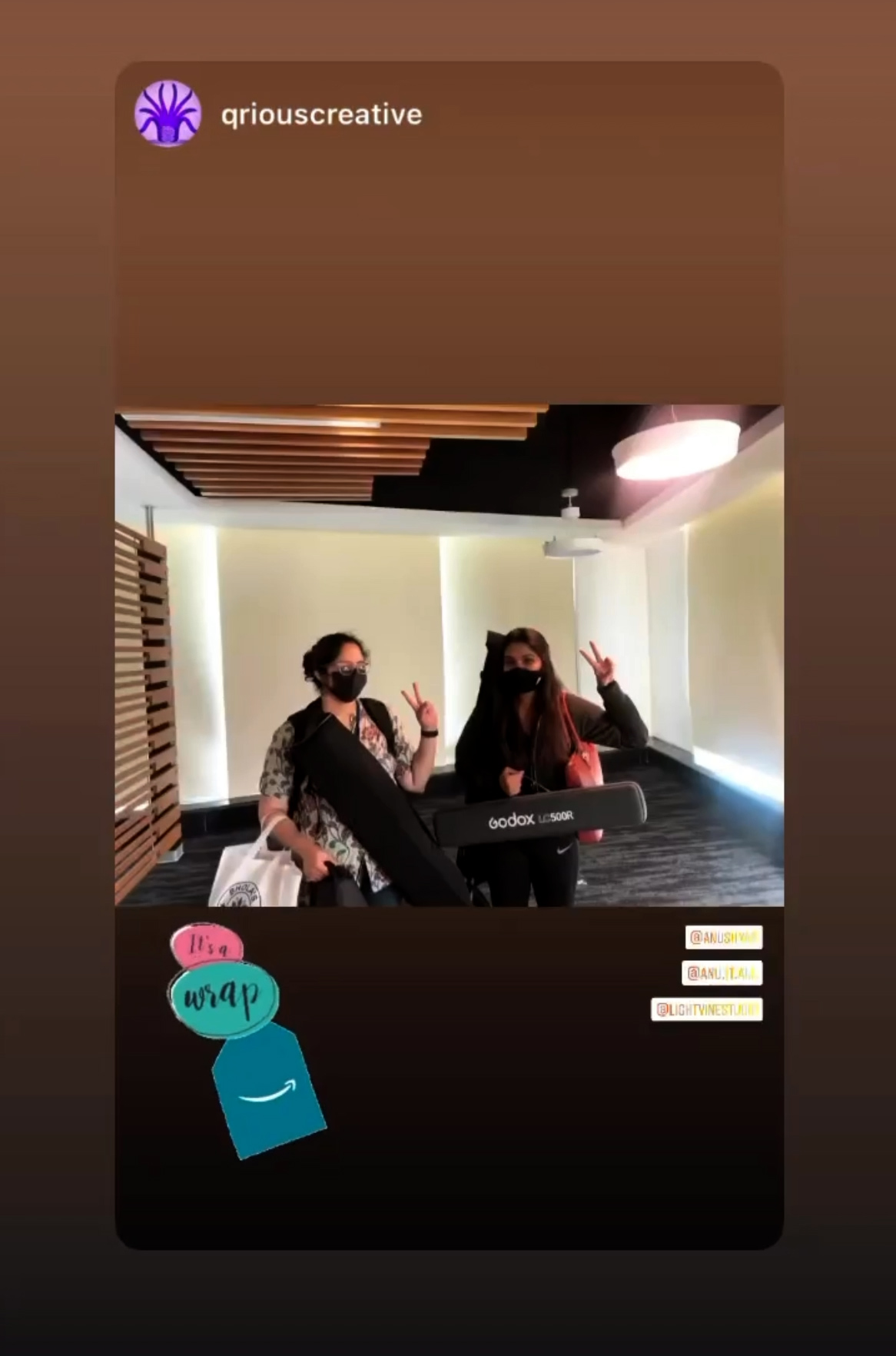
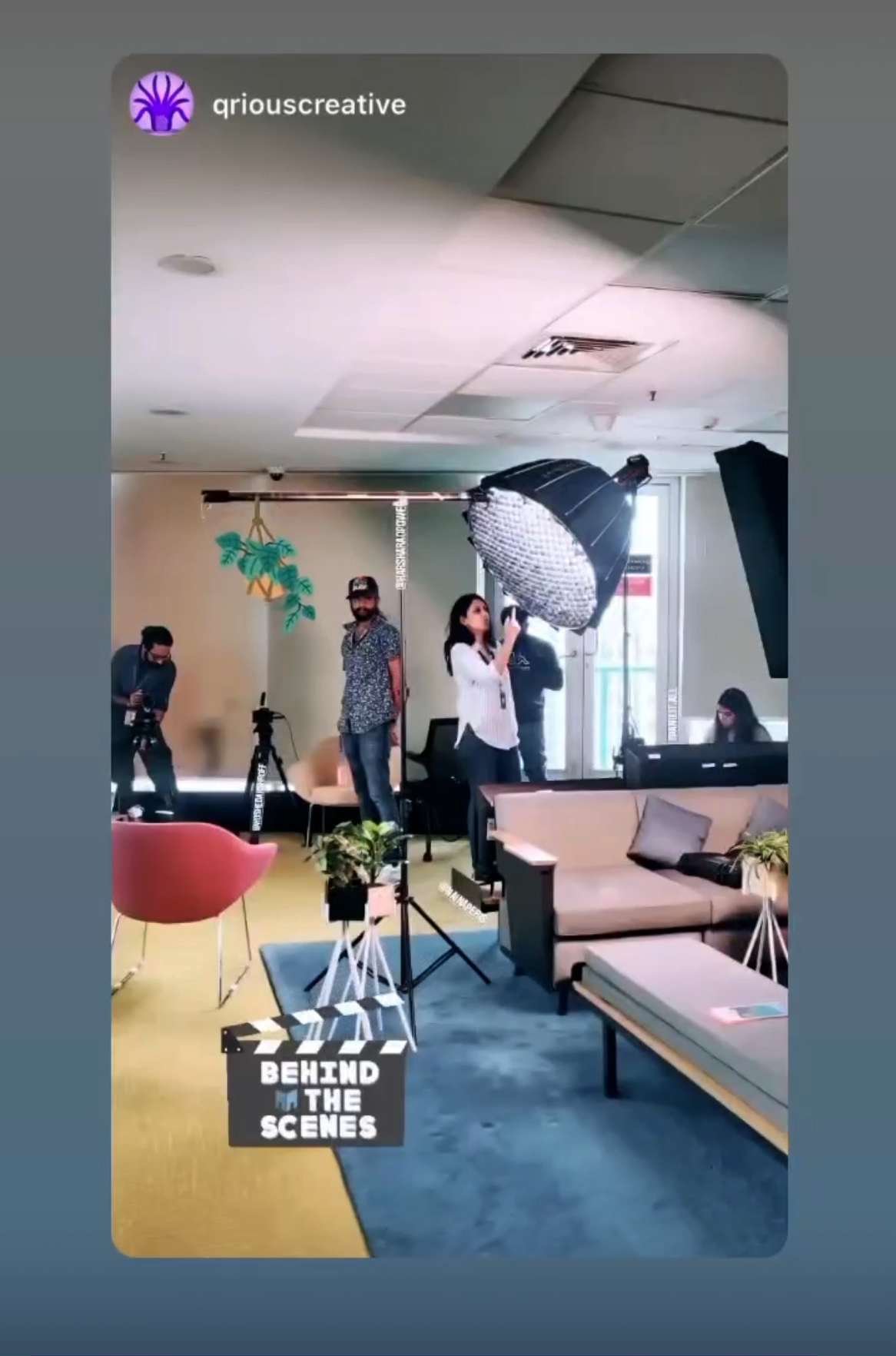
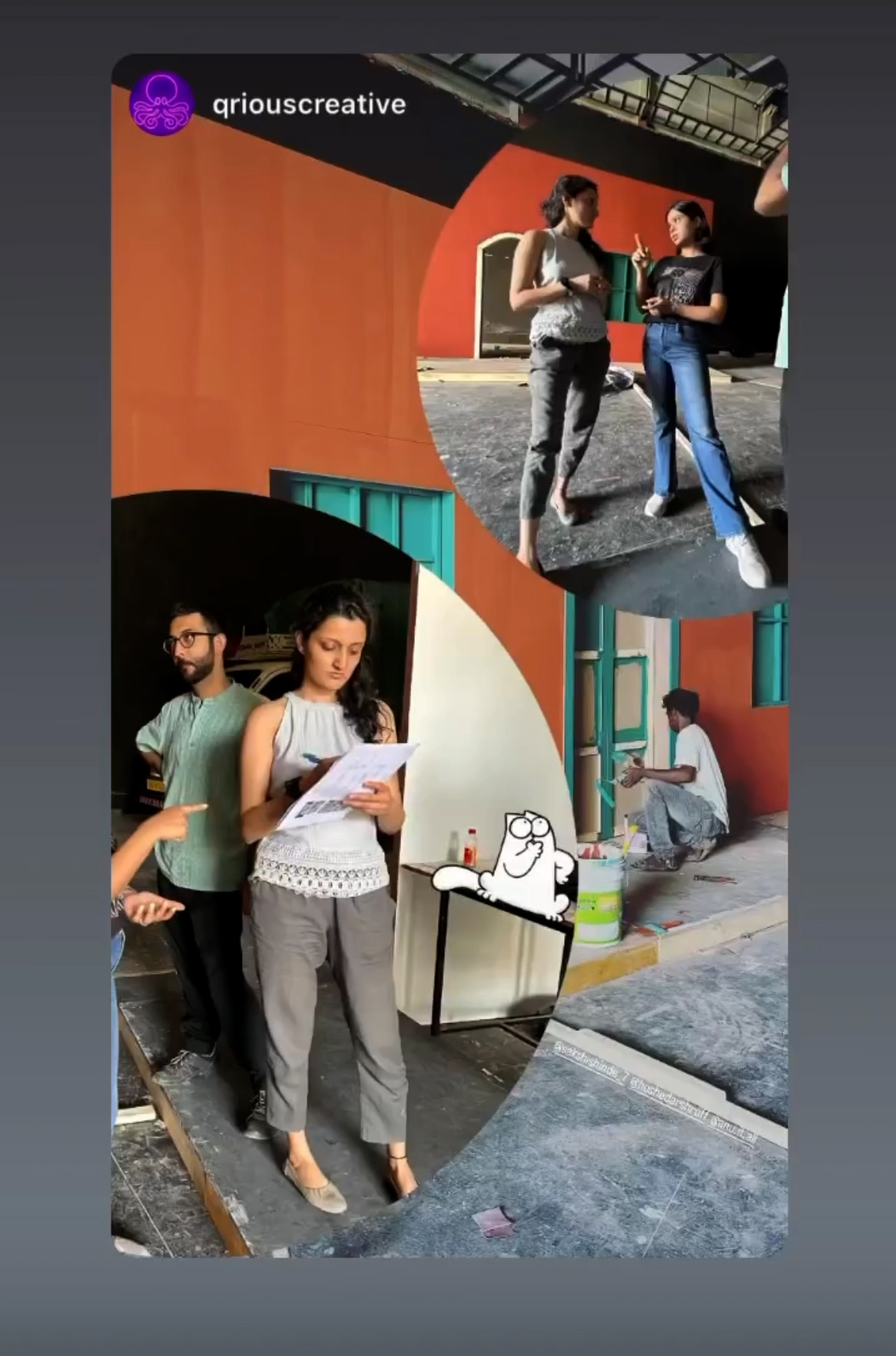
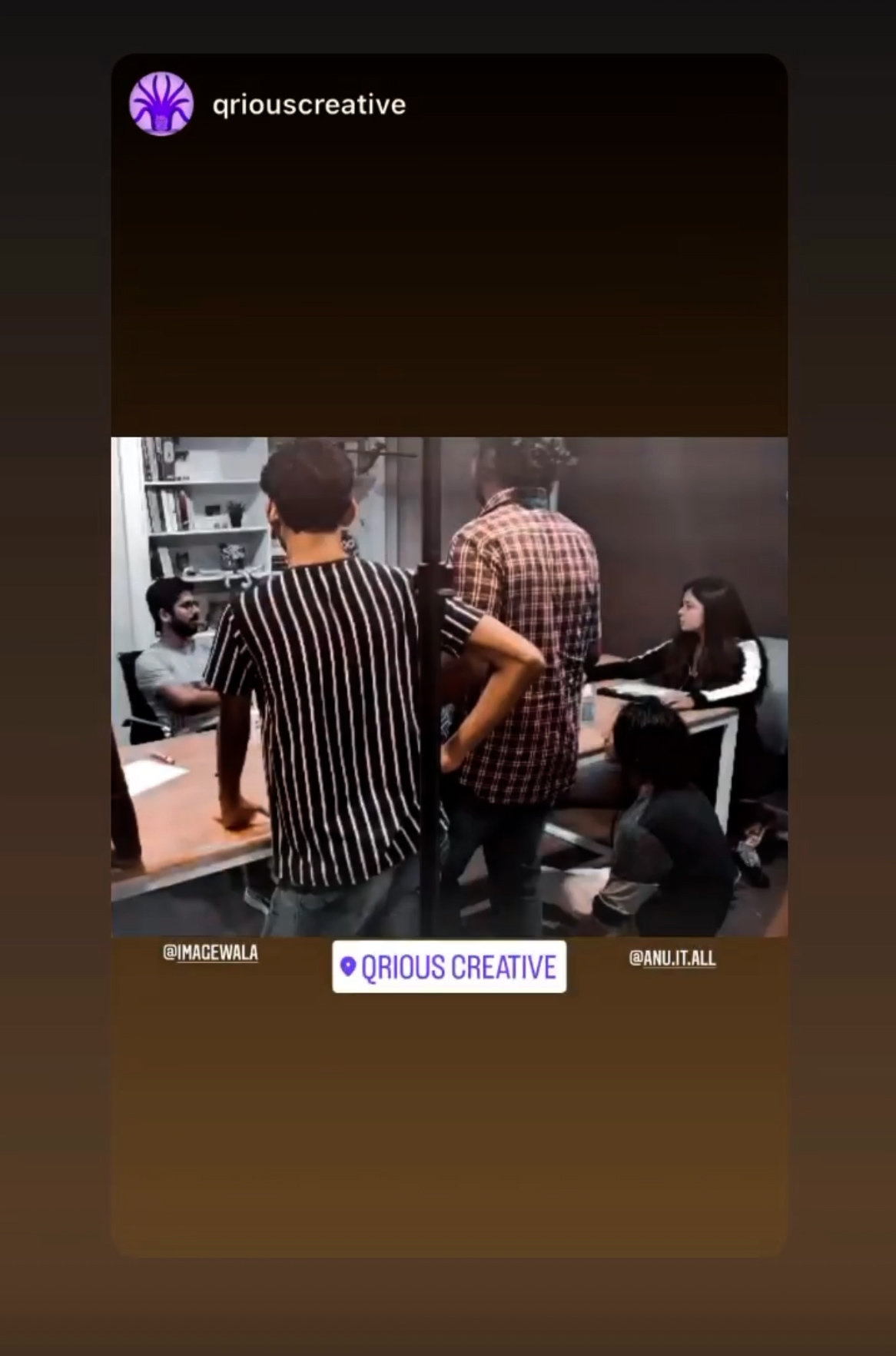
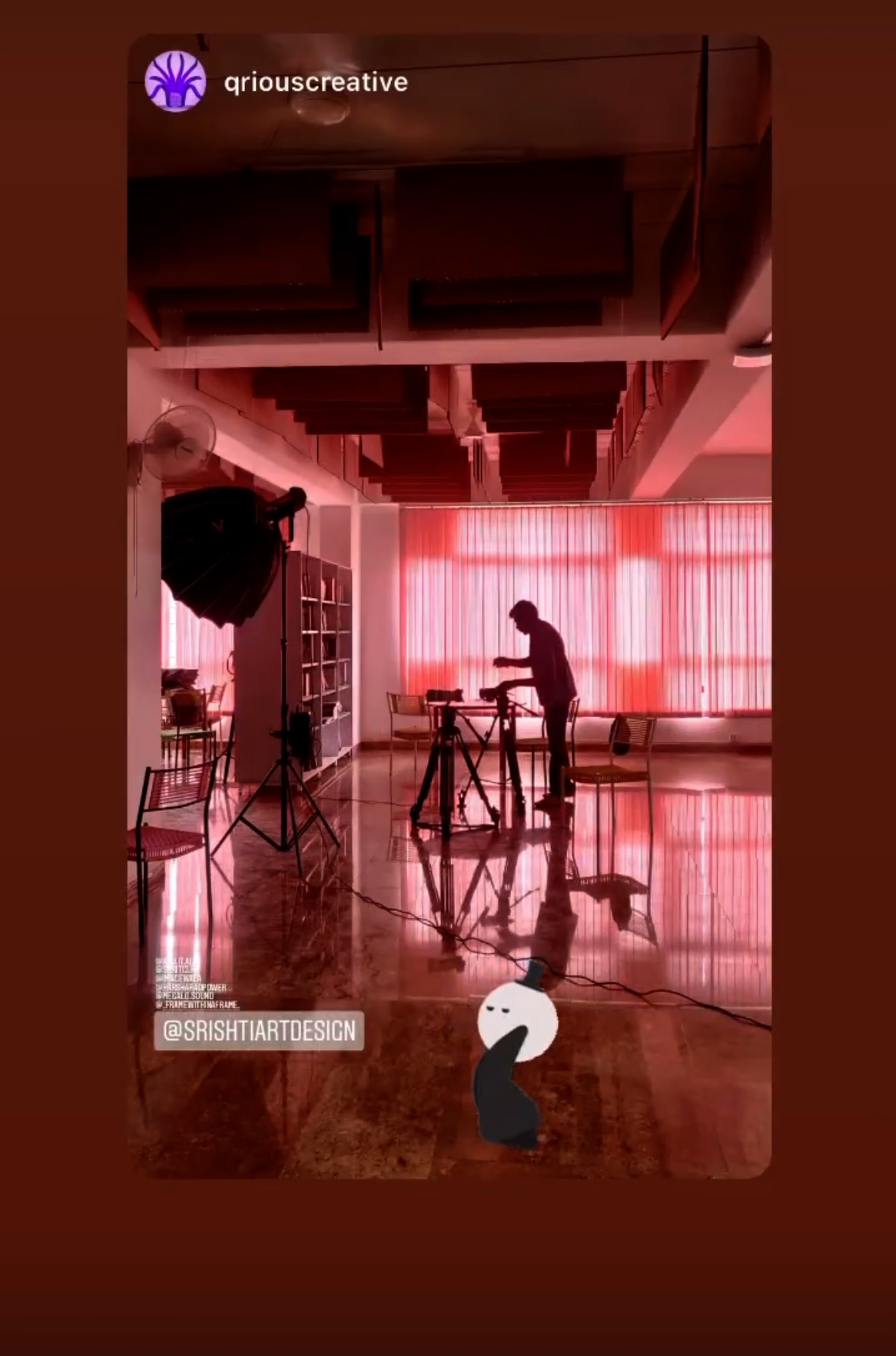
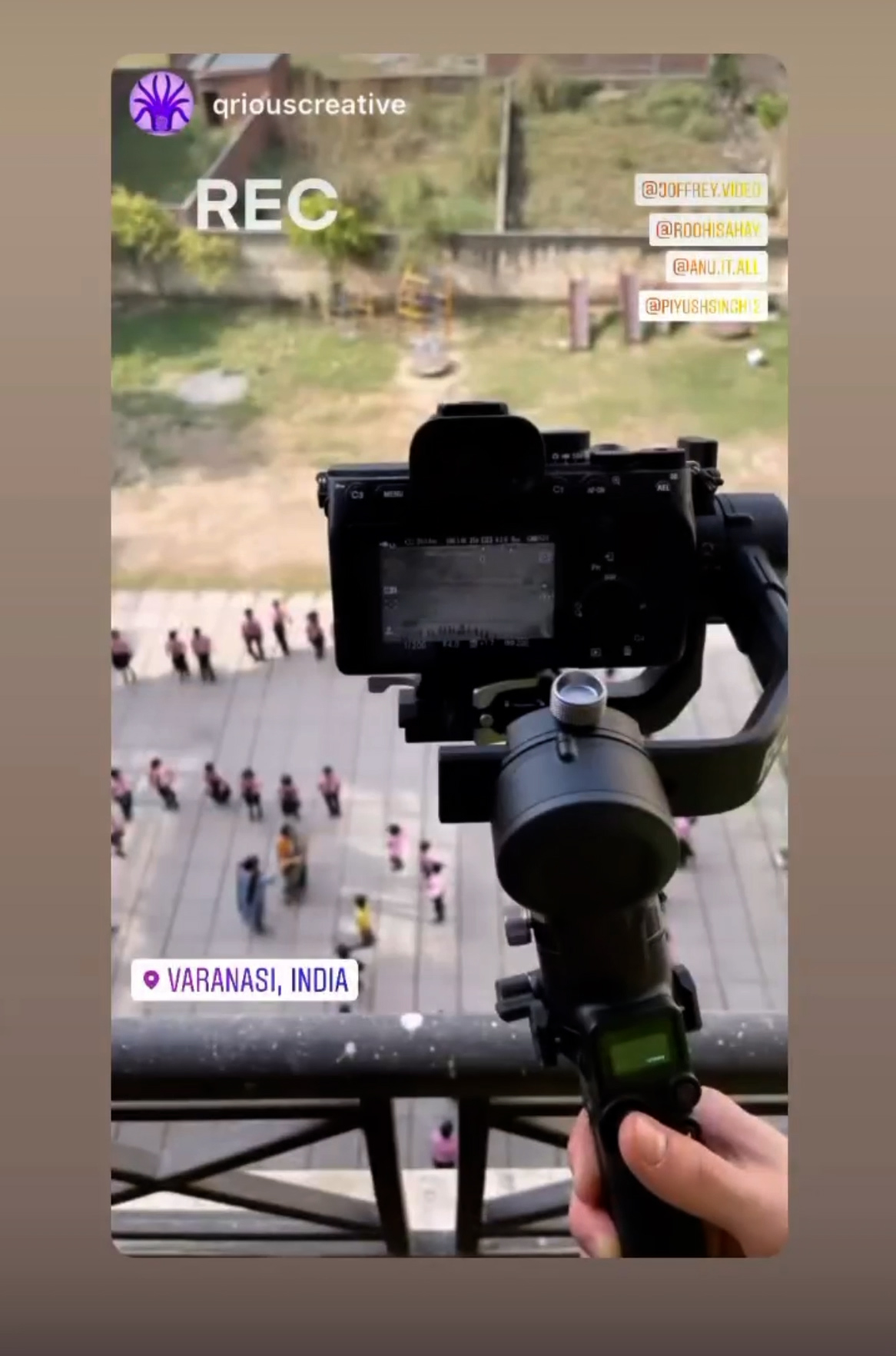
An integrated producer with over ten years of experience across corporate films, documentaries, digital content and TVCs, running productions end-to-end from pitch to delivery. I've owned P&L for my own studio, led in-house teams and built and managed freelance networks of fifty to eighty crew and vendors across multi-city shoots. My producing covers budgeting, client acquisition, crew and vendor negotiation, cross-border production logistics, and post-production supervision, along with licensing, localisation and distribution for brand and broadcast content.
ITC B-Naturals
A 30-second brand film for ITC's B-Naturals range, produced through Qrious Creative Media for Team Pumpkin. I brought the project in and ran it end-to-end, a single-day Bangalore shoot with no room for a reshoot day if anything went sideways. Delivered the film and BTS cutdowns on brief, on budget, signed off by both client and agency.
Heads Up For Tails
Digital films for a leading pet-care brand. Owned the client relationship through delivery, leading concept development, budgeting, scheduling, crew, location and talent across five shoot days and steering post-production to hold creative and tonal consistency across all three films. The set spanned a public Women's Day film, a facility showcase film, and a digital film, each built for a different audience without breaking the campaign's tone.
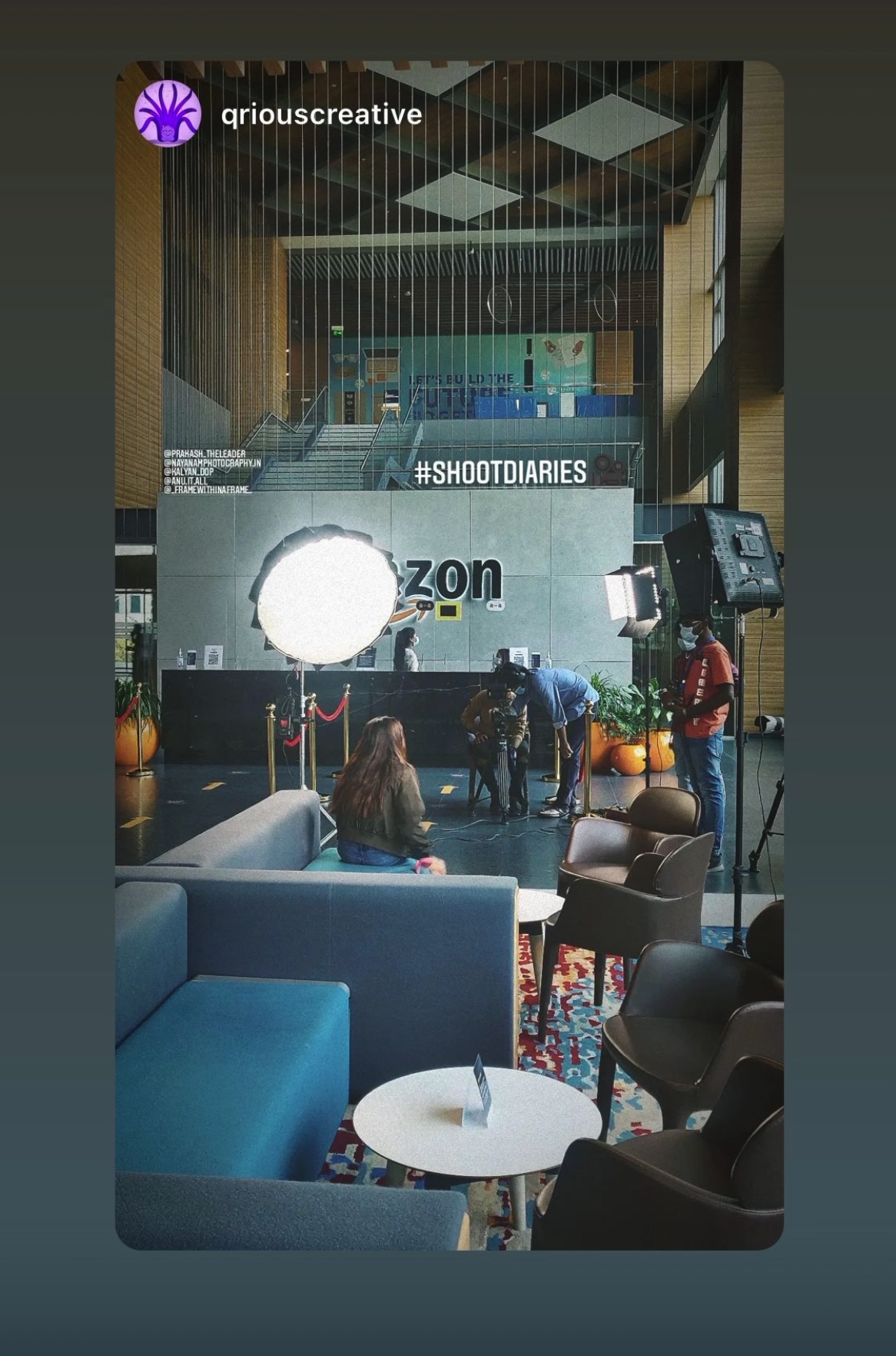
Amazon India
Two productions for Amazon: a film for the Future Builders learning programme, and a corporate communications film for an Amazon Fulfilment Centre, produced through Qrious Creative Media across Hyderabad and Bangalore. Owned the client relationship through delivery, running both productions end to end, scripting support, multi-location logistics, budgeting and day-to-day stakeholder servicing, as two parallel tracks across two cities rather than sequential shoots.
Scroll India × Deutsche Welle, Eco India
Unfiltered
BTS, thoughts, press, and experiments. Pick anything up and move it around, or click to read the full piece.
Someone told me to "stop smoking crack" because I supported generative video production on LinkedIn.
A genuine question for the creative industry - what exactly are we angry about when it comes to generative video production?
Is it that years of learning and craft can now be accelerated by a tool? Is it the very real concern that AI will reduce the number of people needed on sets and lead to fewer jobs? Or is there something else?
Because I have a degree in Film and I've worked on sets for over thirteen years and when I use generative AI, I don't see it as a replacement for filmmaking. I see it as a different format with a different creative process. I'll use it where it makes sense and work traditionally where that makes sense too.
I think it's more important now for creatives to hold on to their style, trust it and not get overwhelmed by the output of people who simply know how to use the tools well. The initial excitement around cool visuals will eventually fizzle out because you cannot sell a product on visuals alone. There has to be a story and a strong visual language behind it.
The bigger question that worries me is if it matters to the client and the brand. I hope the market is able to recognise that difference.
Generative characters bring nothing into the room unless the director puts it there.
Every gesture, expression and beat has to be intentional. I directed every layer of this world, from costume, colour, set, rhythm, choreography and all the tiny things that make a performance feel alive. A glance, a reaction, the way one person moves around the other. Directing movement, rhythm and acting becomes a completely different kind of challenge when your characters don't exist.
Now I'm not a dancer so the choreography here is pretty basic. But pair this with someone who really understands movement and suddenly the possibilities get very interesting. And this is what excites me about AI. In the hands of creative people, it can be a jinn.
"This generative AI ad was made by a 25 person crew".
Some teams are presenting AI generated ads with an impressively long list of crew - Director, producer, production assistant, stylist, costume, hair and makeup artist, editor, assistant editor, colourist, VFX artist, roto, retoucher, compositor, sound designer, music director, prompt artists, ai artists ... and the list goes on.
Then you watch the film and realise that the entire thing could reasonably have been created by one or two strong creatives using a handful of generative tools.
So what exactly are we trying to communicate with the size of the crew?
If the intention is to justify a larger production fee, I think we're looking at this backwards.
Generative production will inevitably reduce the number of people required for certain kinds of work. I dont think its a threat to the craft it's only a change in the production model.
We should be paid for the idea, the creative direction, the skill and the quality of the final output.
We should not need to manufacture a 20 person crew to make a 2 person process look like a traditional production.
Because the value is in what i made, not how many names i can fit into the end credits.
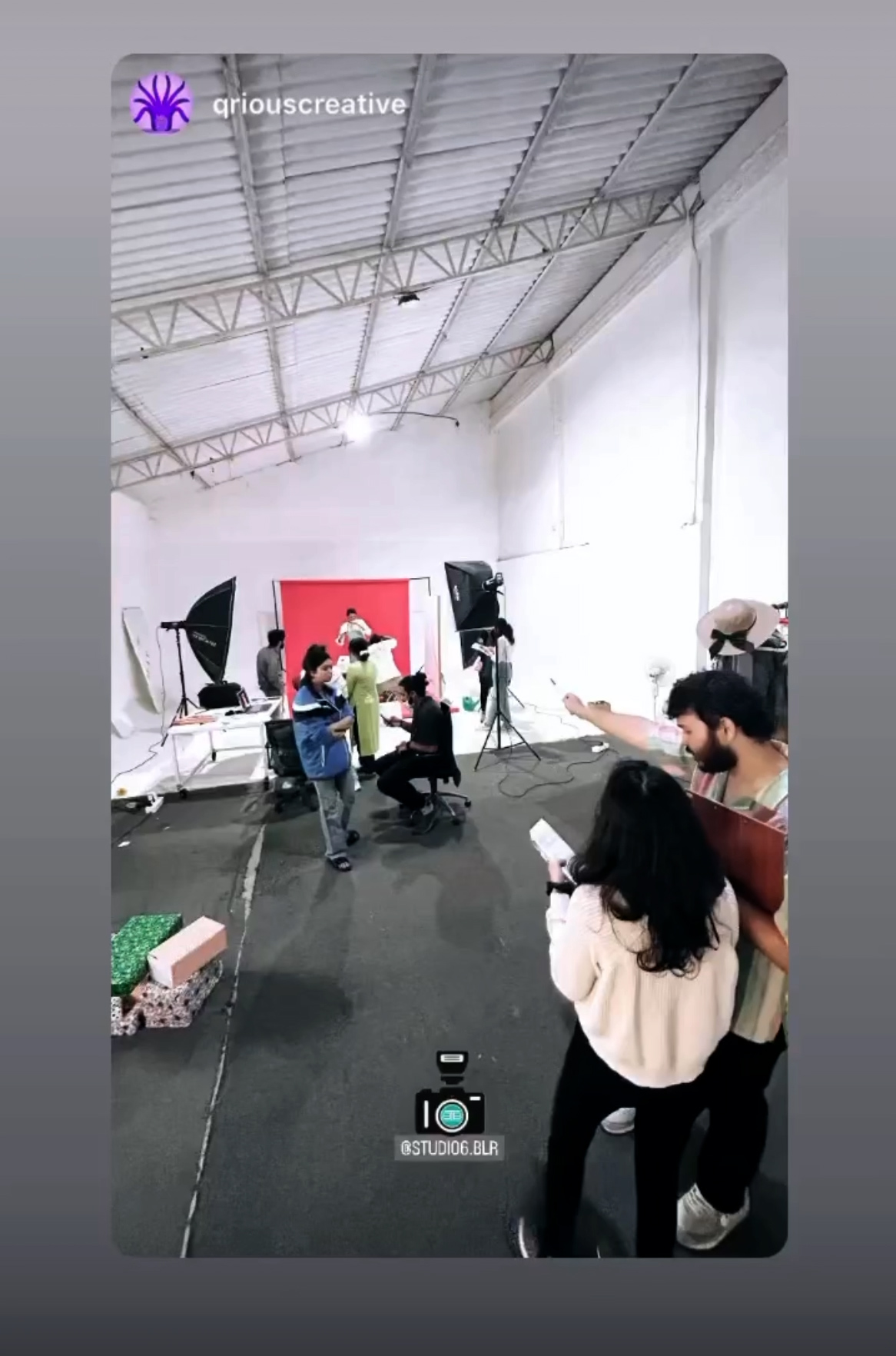
The unfiltered truth about building a creative studio in the heart of a slow city.
When I first thought about setting up a physical studio in Kolkata, India, people said:
"No one's going to pay for a premium studio here."
"Budgets are too low."
"Kolkata doesn't have that kind of market."
And they weren't wrong.
Kolkata's creative industry often grapples with limitations — in budget, in infrastructure, in ambition. The idea of a large, clean, well-equipped studio in the heart of the city seemed... unprofitable. Maybe even unnecessary.
But I kept thinking — why not?
I had access to a beautiful space in Ballygunge Circular Road, one of the most accessible parts of the city. I knew what creators needed, because we are creators too. I'd done backbreaking shoots in dingy basements. I've juggled gear in 6x6 rooms with peeling walls. I've prayed for "that one white wall" to shoot against.
So instead of asking "will this work?", I asked,
"How can I make it work?"
And I focused on five things:
1. Location – Easy access for both clients and crew.
2. Hygiene – Because creativity can't survive in a bad bathroom.
3. Space – 2000 sq. ft. with multiple shooting areas, makeup rooms, pantry, lights, modifiers, and backdrops.
4. Smart Pricing – Premium quality, practical rates.
5. Service – Fully air-conditioned, stress-free, and creator-first.
It wasn't easy.
There were days and weeks of zero bookings.
There were clients who wanted "exposure" deals and collaborations.
There were whispers of "too expensive" from people who didn't even visit the space.
There was self-doubt.
Our first booking came from a mid-scale crew looking to shoot a print campaign. They walked in, set up, and halfway through the day said, "You have made our lives easier".
They were blown away by how much smoother the entire shoot felt simply because the space worked with them, not against them.
That was the turning point.
These days, we've got clients who won't shoot anywhere else. Julien's become their go-to studio space and we're seriously thankful for that kind of loyalty.
We didn't build Julien Studio because there was a demand.
We built it because there was a need.
Now, we're seeing the demand catch up to that vision.
If you've already shot at Julien Studio before — thank you for being part of the journey.
And if you haven't yet — come by and see what we've been building for you.
When I started Julien, I thought it would be all about the creative magic, the shoots, the ideas and the collaborations. What I didn't expect was how much it would teach me about patience, boundaries and the business of creativity.
I've learned that not every client is the right client and that it's okay to say No. In fact saying No has helped me protect the studio, my peace of mind and create an environment where creativity can thrive. The clients who honour commitments and bring a collaborative spirit make this journey worthwhile and I'm grateful to have found many of them.
I've learned that every project is a brand new chapter and that each experience has strengthened my ability to balance both the creative and managerial sides of work. It's been a crash course in resilience, clear communication and staying calm under pressure.
Most importantly, I've grown financially, mentally and emotionally. I've connected with incredible people, expanded my network and opened myself to insights that have led to opportunities.
Julien is a reflection of everything I've learned - that respect is mutual, boundaries are healthy and growth comes from embracing both the challenges and the blessings.
Generative image and video production is making some creative work worthless and some more valuable.
The market seems to be splitting into two tiers:
1. Commodity work: templated UGC, generic product videos, "make me something like this" projects. AI is collapsing prices here because the client is buying output.
2. Direction-led work: this is where things get interesting. The bottleneck was never cheap and fast output. It's the idea, art direction, consistency and knowing when something technically approved is still creatively rejected.
Curious what others think. Are we seeing creative direction become more valuable or is AI just pushing everything toward cheaper production?
I've been seeing a growing number of production houses, independent media companies and content creators publicly inviting writers to submit AI feature film ideas, OTT concepts and original stories.
The ask is usually very specific: an original concept + a two page synopsis, a PDF, a prescribed subject line and an email address.
But what happens to these ideas after they are submitted?
If you're asking people to give you original intellectual property, there should be some clarity around what they are getting in return. Is there a prize? A development opportunity? A meeting? Credit? Money? Even a transparent process explaining how submissions will be reviewed and what happens to the material?
Otherwise, it starts feeling less like an opportunity and more like a one sided transaction where creators contribute free creative development work and the company walks away with a pool of ideas.
If it's a contest, create a meaningful incentive. If it's a submission call, explain the opportunity. Creative people shouldn't have to trade their ideas for the vague possibility of being noticed.
We have GOD-level generative models now and we're still producing commercial video content from the same old template - cliche scripts and lame dialogues. Everything is starting to look the same again.
So the biggest problem in advertising right now isn't HOW we make things but WHAT we're still making.
For years production limitations shaped how we think and write. Be it locations, cast, travel or vfx and animation budgets - what was possible to shoot ended up deciding what got written.
With generative production, now we are able to remove a lot of those limitations.
Do we use all this freedom to make the same basic ad (just faster and cheaper now)?
Or do we finally write the kind of scripts we used to think were impossible to produce?
Can brands get more ambitious? Can we experiment with storytelling and build stronger worlds and push visual language further?
Because it's ridiculous to have a genie in our hands and still make content that people will roll their eyes to and skip.
The objective isn't to replace actors. It's to create better generative output.
For me, that means making the characters feel like they're actually living inside the frame.
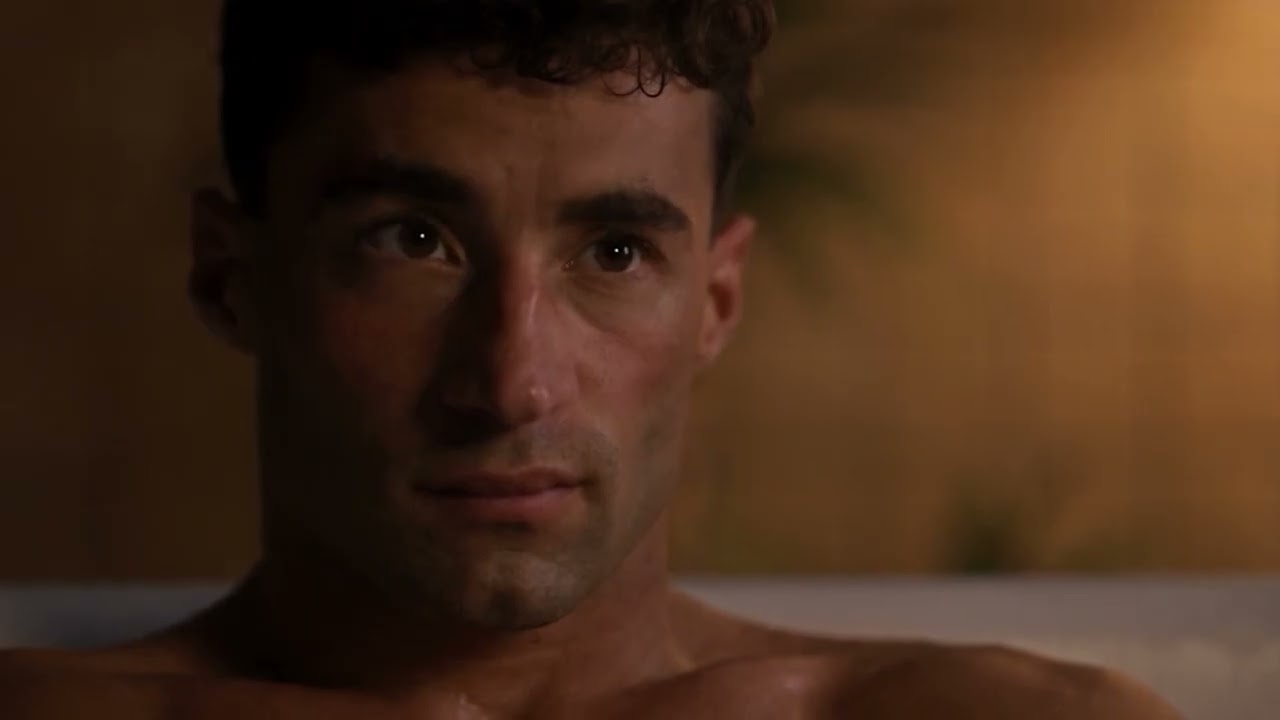
As a director, that's always been the job - to make you feel something. Chemistry isn't two beautiful faces standing next to each other. It's the glance, the hesitation, the way someone moves closer, the tiny reaction that tells you they feel something for each other.
That's what I'm interested in pushing with generative content. Not just making beautiful frames, but directing performance, emotion and behaviour when the characters don't actually exist.